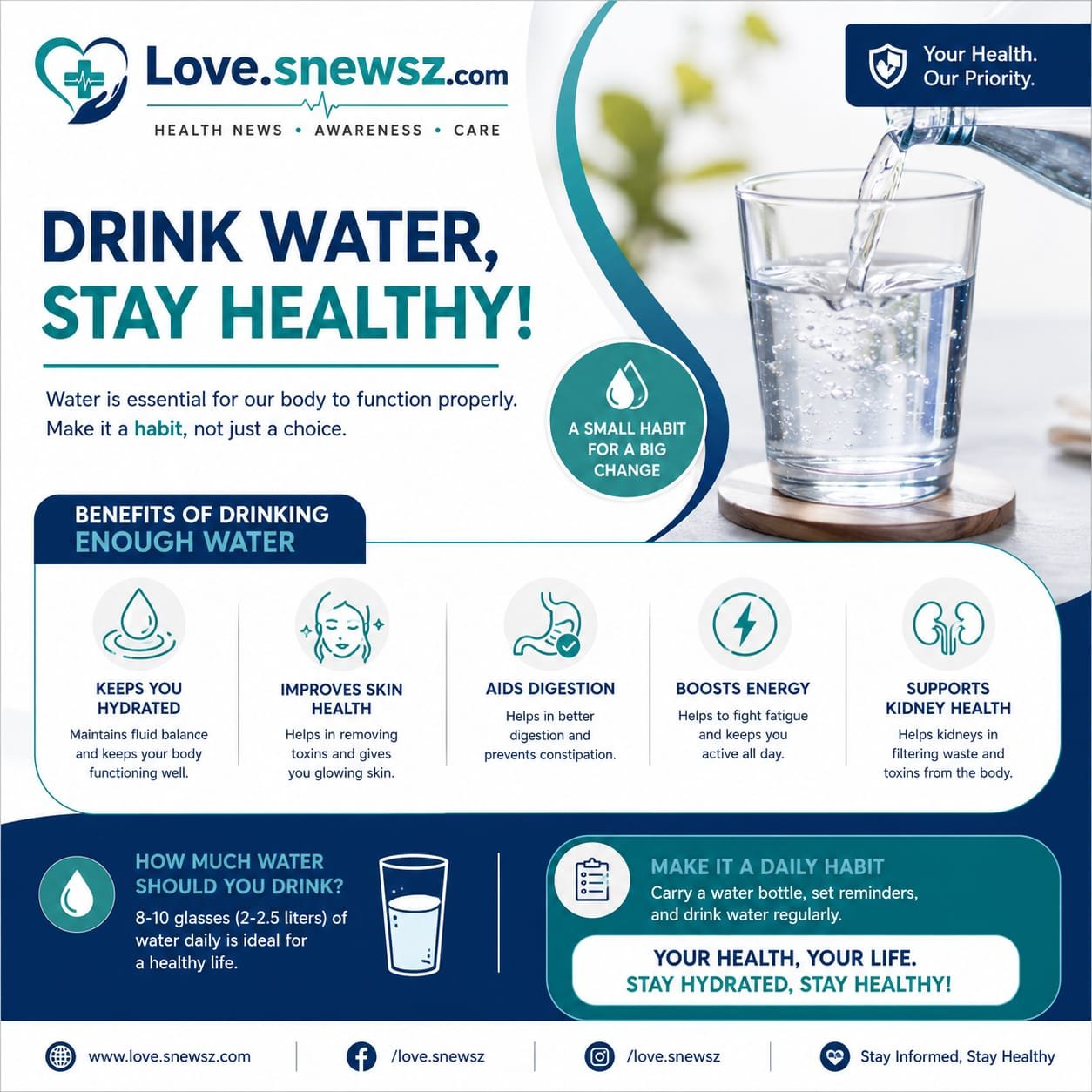
Water is one of the simplest and most important things your body needs every day. From maintaining normal body functions and temperature to supporting digestion and helping the kidneys remove waste, adequate hydration plays an important role in overall health.
Yet, with busy schedules, long working hours, travel, exercise, hot weather and the habit of replacing water with sugary or highly caffeinated drinks, it can be easy to forget to drink enough fluids.
The good news is that staying hydrated does not have to be complicated.
Make drinking water a habit, not just a choice.
What Is Hydration?
Hydration means maintaining an adequate amount of fluid in your body so that your cells, tissues and organs can function properly.
Your body continuously loses water through processes such as urination, sweating and breathing. You therefore need to replace those fluids regularly through drinks and food.
Water is one of the healthiest choices for maintaining hydration, although other drinks and water-rich foods can also contribute to your total fluid intake.
When your body loses more fluid than you replace, dehydration can occur.
Why Is Drinking Enough Water Important?
Water is involved in many essential processes throughout the body. Good hydration supports normal physical and mental functioning and helps your body maintain its fluid balance.
Some of the important benefits of staying hydrated include supporting:
- Normal body functions
- Temperature regulation
- Digestion
- Concentration and alertness
- Normal kidney function
- Regular bowel movements
- Physical performance
- Overall wellbeing
Good hydration is particularly important when you are physically active, sweating heavily, spending time in hot weather, or recovering from an illness that causes fluid loss.
7 Benefits of Drinking Enough Water
1. Helps Keep Your Body Hydrated
The most obvious benefit of drinking water is also one of the most important: it helps maintain your body’s fluid balance.
Your body needs adequate fluid for normal functioning. When you don’t replace fluids lost throughout the day, you may begin to experience symptoms associated with dehydration, such as thirst, tiredness, dizziness or a dry mouth.
Regularly drinking fluids throughout the day is a simple way to support healthy hydration.
2. Supports Healthy Digestion
Water plays an important role in the digestive process.
Drinking enough fluids can help food and waste move through the digestive system and can help soften stools. Adequate fluid intake is especially important when consuming fibre because fibre needs water to work effectively.
If you want to support healthy digestion, focus on the combination of:
Enough fluids + adequate fibre + a balanced diet + regular physical activity.
Water alone is not a cure for digestive disorders, but adequate hydration is an important part of a healthy lifestyle.
3. Supports Kidney Function
Your kidneys help filter waste and regulate fluid balance in the body.
Adequate fluid intake helps the kidneys produce urine and remove waste products. Drinking enough water is also an important part of preventing dehydration and can be particularly relevant for people at risk of kidney stones.
However, more water is not always better.
People with certain kidney, heart or other medical conditions may be advised to restrict their fluid intake. Anyone with a condition requiring fluid restriction should follow their healthcare professional’s advice rather than adopting a general water target.
4. Can Help You Feel More Alert and Energised
Dehydration can contribute to tiredness, dizziness and difficulty concentrating.
Maintaining adequate hydration supports normal body and brain function and may help you feel more alert during the day.
If you suddenly feel tired or unfocused, hydration is one simple part of your daily routine worth paying attention to—although tiredness can have many different causes.
5. Supports Healthy Skin
Hydration is important for normal body function, including the skin.
Drinking enough fluids helps maintain the body’s overall fluid balance. However, it is important not to think of water as a magic solution for every skin problem.
Healthy skin also depends on factors such as nutrition, sleep, sun protection, genetics and skincare.
So instead of thinking:
“More water = perfect skin,”
think:
“Adequate hydration = one part of a healthy lifestyle.”
6. Helps Maintain Normal Body Temperature
Your body continuously produces and loses heat.
Sweating is one of the ways your body cools itself, and sweating also causes fluid loss. This is why your fluid needs can increase during exercise, prolonged physical activity or hot weather.
If you’re exercising outdoors or spending extended periods in a hot environment, remember to drink regularly and replace fluids lost through sweating.
7. Supports Regular Bowel Movements
Not drinking enough fluids can contribute to constipation.
Water helps soften stools and supports the movement of waste through the digestive system. Adequate fibre intake is also important because fibre needs sufficient fluid to work effectively.
If constipation persists despite lifestyle changes, speak with a healthcare professional because it can have many causes.
How Much Water Should You Drink Every Day?
This is where one common hydration myth needs clarification.
You may have heard that everyone should drink exactly 8 glasses or 2–2.5 litres of water every day.
There is no single number that is perfect for every person.
The NHS suggests that most people can use 6–8 cups or glasses of fluid per day as a general guide, while noting that requirements can increase during hot weather, prolonged physical activity, pregnancy, breastfeeding or illness.
Your total fluid requirement also comes from foods and beverages, not just plain water.
Your individual needs may be higher if you:
- Exercise or sweat heavily
- Live in a hot or humid environment
- Spend a lot of time outdoors
- Have fever, vomiting or diarrhoea
- Are pregnant or breastfeeding
- Perform prolonged physical activity
Therefore, rather than obsessing over one fixed number, focus on regular fluid intake and the signs your body gives you.
How Can You Tell If You Are Hydrated?
One useful everyday indicator is urine colour.
Generally, pale yellow urine suggests good hydration, while darker urine can indicate that you may need more fluids. However, urine colour can also be affected by certain foods, vitamins and medicines, so it should not be treated as a perfect diagnostic test.
Other possible signs of dehydration include:
- Increased thirst
- Dry mouth
- Tiredness
- Dizziness or light-headedness
- Dark yellow urine
- Urinating less frequently
Severe dehydration can be serious and may require medical attention.
Simple Ways to Drink More Water Every Day
Knowing that hydration is important is easy.
Making it a habit is the real challenge.
Here are some simple strategies that can help.
1. Carry a Reusable Water Bottle
Keep a water bottle with you while working, travelling, exercising or spending time outdoors.
When water is easily available, you’re more likely to drink regularly.
2. Drink Regularly Throughout the Day
Don’t wait until the end of the day to realise that you haven’t had enough fluids.
Instead, make drinking water a regular part of your routine.
You can drink:
- After waking up
- With meals
- Between meals
- Before or after physical activity
- While travelling
- During outdoor activities
3. Set Reminders
If you frequently forget to drink water, use your phone or smartwatch to create reminders.
A simple reminder can turn hydration from something you remember occasionally into a daily habit.
4. Keep Water Near Your Workspace
If you’re working at a desk, keep a bottle or glass of water within reach.
Small environmental changes can make healthy habits easier.
5. Choose Water Instead of Sugary Drinks
Water is a simple way to hydrate without adding unnecessary sugar.
If plain water feels boring, you can try sparkling water or add a slice of lemon or lime for flavour.
6. Drink More During Exercise and Hot Weather
Sweating increases fluid loss.
If you’re exercising for a long time or spending time in hot weather, you may need additional fluids to replace what you lose through sweat.
Can You Drink Too Much Water?
Yes.
While dehydration is a common concern, drinking excessive amounts of water is not automatically healthier.
Your fluid needs depend on individual circumstances, and some people—particularly those with certain kidney or heart conditions—may need specific fluid limits.
The goal is adequate hydration, not excessive hydration.
Don’t force yourself to drink huge quantities of water simply because someone online says that more water is always better.
Water and Exercise
Hydration becomes particularly important during physical activity.
When you exercise, your body can lose fluid through sweat. The amount you need depends on factors such as exercise duration, intensity, temperature and how much you sweat.
A practical approach is to drink regularly and pay attention to thirst, sweating and other signs of fluid loss.
For prolonged or intense exercise, individual hydration and electrolyte needs can be different, so athletes and people exercising for extended periods may benefit from personalised advice.
Water vs. Other Drinks: What Counts Toward Hydration?
Water is not the only source of fluid.
Other beverages and foods can contribute to your overall fluid intake. The NHS notes that drinks such as milk, tea and coffee also count toward fluid intake, while foods can provide water as well.
However, choosing water regularly can be a simple way to avoid excess sugar from sweetened beverages.
A healthy hydration routine can therefore look like:
Water + nutritious foods + balanced meals + regular physical activity.
Common Hydration Mistakes to Avoid
Mistake 1: Drinking Almost Nothing All Day
Some people become busy and realise at night that they barely drank any water.
Instead, spread your fluid intake throughout the day.
Mistake 2: Waiting Until You Are Extremely Thirsty
Thirst is an important signal, but it is better to maintain regular fluid intake rather than ignoring it for long periods.
Mistake 3: Believing Everyone Needs the Same Amount
A fixed “2.5 litres for everyone” rule is not appropriate for every person.
Your needs depend on several factors, including activity, environment and health status.
Mistake 4: Replacing Water With Sugary Drinks
Sweetened drinks can contribute to fluid intake, but frequently consuming sugary beverages can add significant amounts of sugar and calories to your diet.
Water is often the simpler everyday choice.
When Should You Seek Medical Advice?
If you experience persistent or excessive thirst despite drinking enough fluids, frequent urination, ongoing dizziness, or other concerning symptoms, don’t simply keep increasing your water intake.
Persistent excessive thirst can sometimes be associated with an underlying medical condition and should be discussed with a healthcare professional.
Similarly, if you have kidney disease, heart failure or another condition where your doctor has advised you to restrict fluids, follow your medical team’s specific instructions.
Frequently Asked Questions About Drinking Water
Is drinking 8 glasses of water a day necessary?
Not necessarily. Six to eight glasses or cups of fluid is often used as a general guide, but individual requirements vary. You may need more in hot weather, during exercise or when you’re ill.
Is 2 litres of water a day enough?
For many people, around 2 litres of fluids may be reasonable, but there is no universal target that applies to everyone. Your total fluid needs depend on your body, diet, activity level, environment and health.
Does drinking water help digestion?
Adequate fluid intake supports digestion and helps soften stools and move waste through the digestive system. Fibre also plays an important role in preventing constipation.
Does water improve skin health?
Adequate hydration supports normal body function and contributes to overall health. However, drinking excessive amounts of water is not a guaranteed treatment for acne, dryness or other skin conditions.
Should I drink more water when exercising?
Often, yes. Exercise can increase fluid loss through sweating, particularly during prolonged activity or in hot conditions. Drink regularly and replace fluids lost through sweating.
Is drinking too much water harmful?
Yes. Excessive fluid intake can be harmful in some circumstances. People with certain kidney or heart conditions may need to limit fluids, so personalised medical advice should take priority over general hydration targets.
Final Thoughts: Make Hydration a Daily Habit
Drinking enough fluids is one of the simplest habits you can build for better everyday health.
You don’t need an expensive supplement, complicated routine or unrealistic water challenge.
Start with something simple:
Keep water nearby.
Drink regularly.
Carry a bottle.
Drink more when you’re sweating or in hot weather.
Pay attention to your body’s signals.
Most importantly, don’t turn hydration into a competition.
The goal isn’t to drink as much water as possible. The goal is to stay adequately hydrated.
A small habit repeated every day can make a meaningful difference to your overall wellbeing.
Drink Water. Stay Hydrated. Stay Healthy. 💧
Medical Disclaimer
This article is intended for general health and educational purposes only. It is not a substitute for professional medical advice, diagnosis or treatment. Individual fluid requirements vary. People with kidney disease, heart conditions, fluid restrictions or other medical conditions should follow the advice of their healthcare professional.
Sources and Further Reading
- NHS — Water, Drinks and Hydration
- NHS — Healthy Hydration and Kidney Health
- NHS — Digestive Health and Fluids
- King’s College Hospital NHS Foundation Trust — Hydration Matters
SEO Details
Primary Keyword:
importance of drinking water
Secondary Keywords:
- benefits of drinking water
- importance of hydration
- how much water should you drink
- daily water intake
- benefits of staying hydrated
- signs of dehydration
- healthy hydration
- water and digestion
- water and kidney health
- drinking enough water
SEO Title:
Drink Water, Stay Healthy: 7 Benefits of Staying Hydrated
Meta Description:
Discover the importance of drinking water, benefits of staying hydrated, daily fluid needs, signs of dehydration and simple ways to build a healthy hydration habit.
URL Slug:/importance-of-drinking-water/
H1:
Drink Water, Stay Healthy: Why Hydration Is Important for Your Health
Featured Image Alt Text:
Glass of fresh drinking water representing the importance of hydration and healthy living
Image Caption:
Staying adequately hydrated is an important part of maintaining overall health and wellbeing.
Suggested Internal Link Topics:
- Importance of Sleep for Health
- Healthy Diet and Nutrition
- Benefits of Regular Exercise
- How to Build Healthy Daily Habits
- Signs and Prevention of Dehydration